:2026-02-22 7:24 点击:72
Introduction
Blockchain technology, initially introduced as the underlying architecture for Bitcoin in 2008, has evolved far beyond its cryptocurrency origins. Decentralized, transparent, and immutable by design, blockchain is now recognized as a transformative tool with potential applications across industries—from finance and supply chain management to healthcare and digital identity. As organizations and researchers delve deeper into its capabilities, the focus has shifted from theoretical understanding to practical implementation, driving a surge in applied research. This article explores the diverse applications of blockchain technology and highlights key research frontiers shaping its future.
Key Applications of Blockchain Technology
Financial Services: Revolutionizing Transactions and Banking
The financial sector was the first to adopt blockchain, leveraging its ability to enable secure, peer-to-peer transactions without intermediaries. Beyond cryptocurrencies like Bitcoin, blockchain facilitates c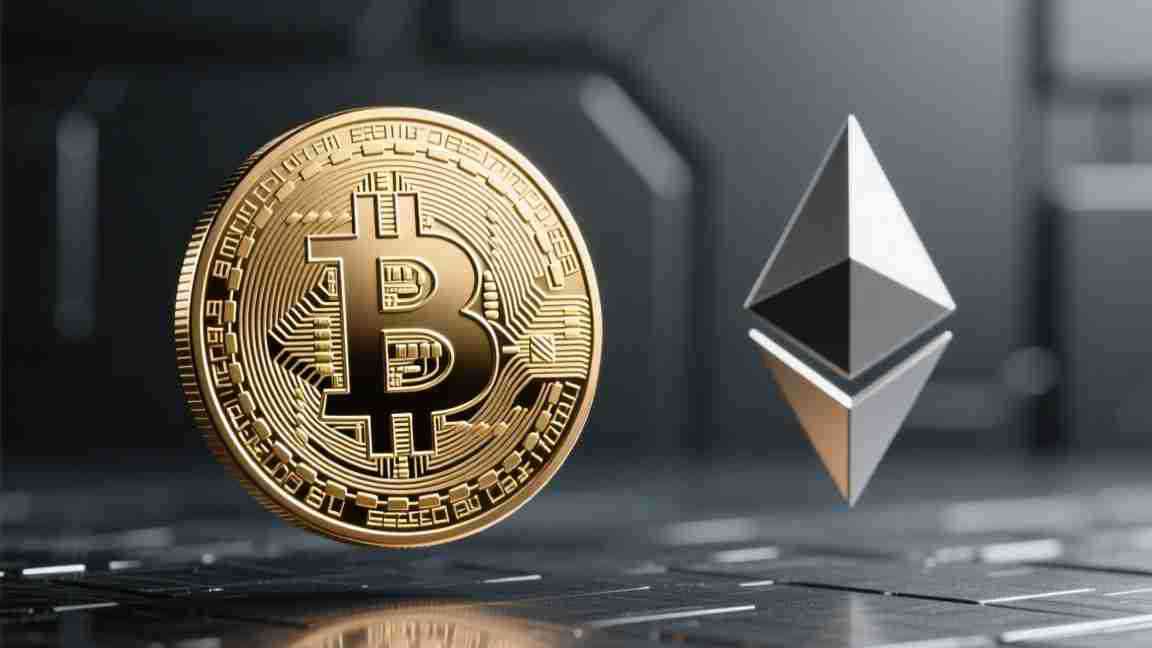
Supply Chain Management: Enhancing Transparency and Traceability
Supply chains are complex networks prone to inefficiencies, fraud, and lack of transparency. blockchain addresses these issues by creating an immutable, shared ledger of transactions—from raw material sourcing to final delivery. Companies like Walmart and Maersk use blockchain to track food products, ensuring safety and quick identification of contamination sources. Research here emphasizes integration with IoT devices to automate data capture (e.g., temperature logs for perishable goods) and privacy-preserving techniques (e.g., zero-knowledge proofs) to balance transparency with sensitive business information.
Healthcare: Securing Data and Improving Interoperability
In healthcare, blockchain secures patient records, ensuring data integrity while granting patients control over their information. Platforms like MedRec use blockchain to enable seamless sharing of medical records across providers, reducing errors and redundant tests. Moreover, clinical trial management benefits from blockchain’s ability to verify data authenticity, preventing fraud and ensuring compliance. Current research explores hybrid blockchain models (combining public and private chains) to address scalability concerns and AI-blockchain integration for predictive analytics in disease outbreaks.
Digital Identity: Empowering Individuals with Self-Sovereign Identity
Traditional identity systems are centralized, making users vulnerable to data breaches. blockchain-based self-sovereign identity (SSI) solutions allow individuals to own and manage their digital identities (e.g., passports, academic credentials) without relying on third parties. Projects like Microsoft’s ION and Estonia’s e-Residency program demonstrate blockchain’s potential to create secure, portable identities. Research in this domain focuses on biometric integration for robust authentication and user-friendly interfaces to drive adoption among non-tech-savvy populations.
Intellectual Property and Royalties: Ensuring Fair Compensation for Creators
Blockchain enables transparent tracking of intellectual property (IP) rights, reducing piracy and ensuring creators receive fair royalties. Non-fungible tokens (NFTs) have revolutionized digital art, music, and collectibles by providing verifiable ownership on the blockchain. Platforms like Audius and Royal use NFTs to allow fans to invest in artists’ work and earn royalties from secondary sales. Research here examines sustainable NFT ecosystems, including energy-efficient consensus mechanisms (e.g., proof-of-stake) and dynamic royalty distribution models.
Research Frontiers and Challenges
Despite its promise, blockchain faces significant hurdles that drive ongoing research:
- Scalability: Public blockchains like Bitcoin and Ethereum process only a fraction of transactions per second compared to traditional payment systems. Layer-2 solutions (e.g., Lightning Network, Polygon) and sharding are active research areas to improve throughput.
- Energy Consumption: Proof-of-work (PoW) consensus mechanisms, used by Bitcoin, consume vast amounts of energy. Research into proof-of-stake (PoS) and other eco-friendly alternatives (e.g., delegated proof-of-stake) is critical for sustainability.
- Regulatory Uncertainty: Varying global regulations hinder blockchain adoption. Research focuses on regulatory sandboxes and frameworks to balance innovation with consumer protection.
- Interoperability: Most blockchains operate in silos, limiting data exchange. Cross-chain technologies (e.g., Polkadot, Cosmos) are being developed to enable seamless communication between networks.
Conclusion
Blockchain technology has transcended its cryptocurrency roots to emerge as a versatile tool with applications spanning finance, supply chains, healthcare, and beyond. While challenges like scalability and regulation persist, ongoing research and innovation continue to unlock its potential. As industries explore real-world use cases, blockchain is poised to redefine trust, transparency, and efficiency in the digital age. The convergence of blockchain with emerging technologies like AI, IoT, and 5G will further amplify its impact, making it a cornerstone of future digital ecosystems.
本文由用户投稿上传,若侵权请提供版权资料并联系删除!